



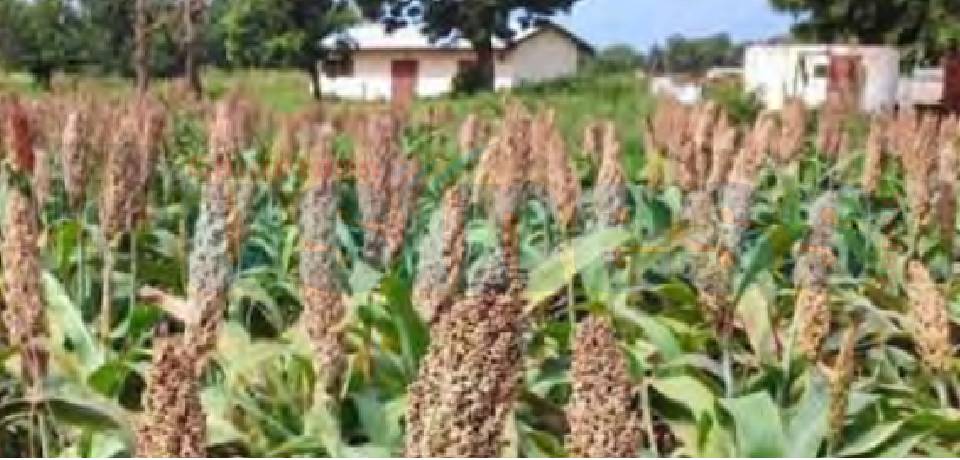
C ameroon’s ambition to reduce yearly wheat import of approxima tely 1.5 million tonnes will depend on its ability to transform promising agricultural research into large-scale, com petitive commercial production. Despite government initiatives to promote local wheat and alternative flours, the country remains heavily dependent on foreign supplies to meet demand from bakeries, flour mills, and food-processing in dustries. According to trade data compiled from FAOSTAT, Cameroon imported approxi mately 1.04 million tonnes of wheat in 2024. In response, the government has appro ved a three-year FCFA 30.9 billion action plan targeting 4,500 hectares of land, 9,000 tonnes of certified seeds, and 180,000 tonnes of marketable wheat, while implementation is expected to begin in 2027. The priority is to multiply cer tified, high-yielding seeds. The Agricultural Research Institute for Development (IRAD) has identified promising varieties, including IRAD1, IRAD2, Banyo, and Bamenda. However, re search achievements must translate into reliable seed supplies, farmer training, and consistent harvests across sui table agro-ecological zones. Secondly, production costs and yields must improve, thus, farmers need affordable ferti lisers, appropriate machinery, irrigation where necessary, access to credit, and exten sion services. Better drying, storage, and rural roads are equally important to minimise post-harvest losses and deliver grain in good condition. Third, the government must bring industrial millers, bakeries, and farmers into firm commercial partnerships. Guaranteed pur chase agreements, transparent pricing, and quality standards would give producers confi dence to invest while helping processors secure dependable local supplies. Investment in grain testing, cleaning, mil ling, and storage facilities is also essentia...
This article is for subscribers only
Already subscribed? Identify yourself >
Unlimited access to Cameroon Business Today Digital from 13,250 FCFA
I subscribe1 minute is enough to subscribe to Cameroon Business Today Digital!
- Your special Cameroon Business Today issue in digital version
- Inserts
- Exclusive calls for tenders
- Preview (access 24 hours before publication)
- Editions available on all media (smartphone, tablets, PC)










Commentaires