



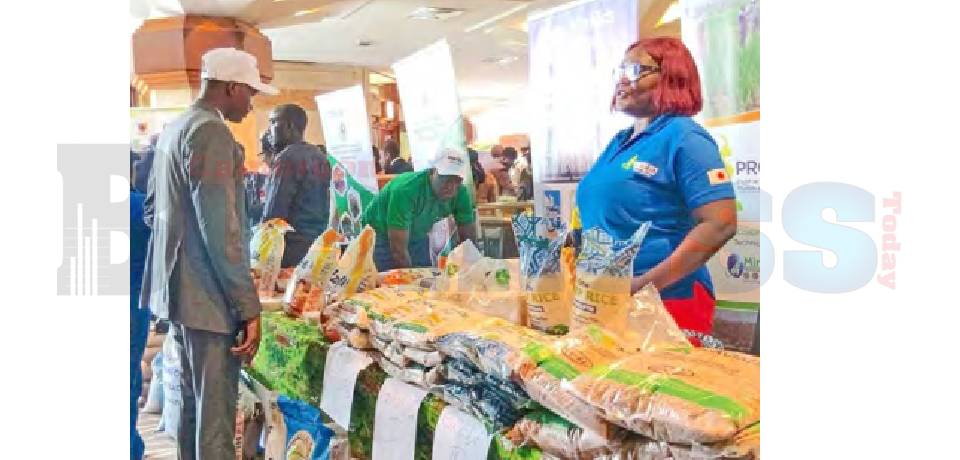
T he food sector contri butes nearly 17% of gross domestic product and employs 4.7 million people representing 42% of the total workforce according to data from the Ministry of Agriculture and Rural Development (MINADER). Agriculture remains the primary livelihood for rural households and accounts for over half of non-oil export earnings. Howe ver, structural bottlenecks like inadequate formal credit, land tenure insecurity, and low pro cessing capabilities have created a massive trade imbalance. Every year, Cameroon spends approxi mately FCFA 848 billion to FCFA 850 billion on food imports based on World Bank data. A structu ral drain which the AgriConnect Compact signed and launched in Yaounde on October 21st 2026 addresses with a mandate of re ducing the national food import bill by 28% and supporting 300 million farmers by 2030 Addressing the assembly, Paul Tasong, Minister Delegate in charge of Planning at MINE PAT, emphasized the strategic alignment of the initiative, “it provides a platform for cohe rence, enabling national and international resources to be mobilized.” Policy discussions reinforced that out of a total financing roadmap structured around 1.86 billion to 1.9 billion US dollars (over FCFA 1,109 billion) over 2026 to 2030, a foundational FCFA 566 million has been earmar ked for immediate preparation and rollout phases. With pover ty rates exceeding 56% in rural areas and one in 10 households experiencing food insecurity, Mi nister Gabriel Mbairobe stated “this marks an important step to deliver 500,000 land titles by 2030.” From MINEPIA, Dr. Taiga, stressed that the compact “aims to boost production, enhance transformation, and reduce im port substitution, supported by existing laws regulating fishe ries, aquaculture, and animal re sources.” World Bank’s Division ...
This article is for subscribers only
Already subscribed? Identify yourself >
Unlimited access to Cameroon Business Today Digital from 13,250 FCFA
I subscribe1 minute is enough to subscribe to Cameroon Business Today Digital!
- Your special Cameroon Business Today issue in digital version
- Inserts
- Exclusive calls for tenders
- Preview (access 24 hours before publication)
- Editions available on all media (smartphone, tablets, PC)












Commentaires