




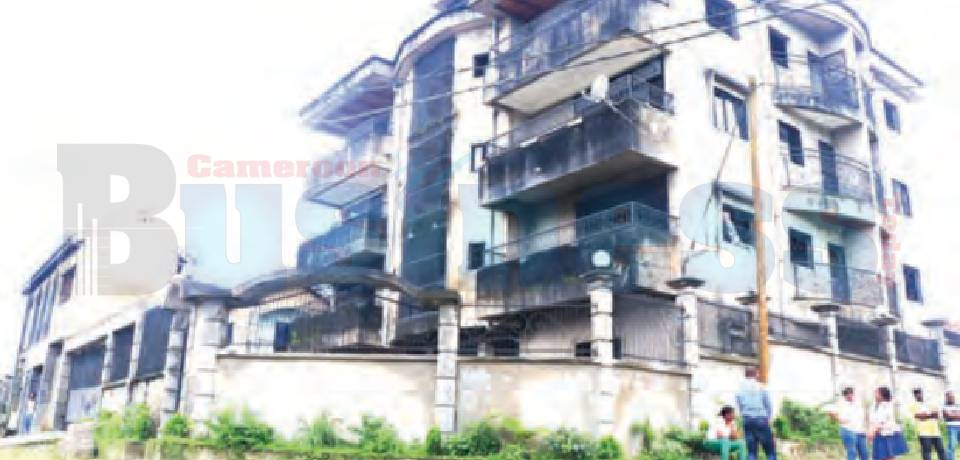
L and remains a funda mental asset for eco nomic development in Cameroon, providing the foundation for industrialisa tion, agriculture, infrastructure, housing, and other productive activities. However, how inves tors acquire land, particularly foreigners, and the challenges surrounding ownership conti nue to influence the country’s investment climate. According to land expert Anong Pascal, access to land depends largely on nationality, with different procedures for Cameroonians and foreign investors. Both na tionals can obtain provisional concessions on land belonging to the national domain. Howe ver, while Cameroonians can proceed towards definitive concessions and land titles, foreigners generally obtain long-term leases ranging from 18 to 99 years, with the State retaining ownership. Foreign investors can also ac quire privately owned plots that already have registered land titles, subject to autho risation from the Minister of State Property, Surveys and Land Tenure. Another option involves land in the State’s private domain, which can be leased or allocated for spe cific projects. The State can equally declare land to be of public utility, register it in its name, and make it available to investors under agreed fi nancial and time conditions. Industrial zones managed by MAGZI also provide opportunities through land leases adapted to investors’ projects. Despite these arrangements, land acquisition remains a sen sitive issue in Douala, particu larly because of double sales. Such situations can have serious economic consequences as investors risk losing money, delaying projects and aban doning expansion plans. Land prices in Douala’s econo mic centres vary considerably depending on location and de velopment status, making the...
This article is for subscribers only
Already subscribed? Identify yourself >
Unlimited access to Cameroon Business Today Digital from 13,250 FCFA
I subscribe1 minute is enough to subscribe to Cameroon Business Today Digital!
- Your special Cameroon Business Today issue in digital version
- Inserts
- Exclusive calls for tenders
- Preview (access 24 hours before publication)
- Editions available on all media (smartphone, tablets, PC)








Commentaires