



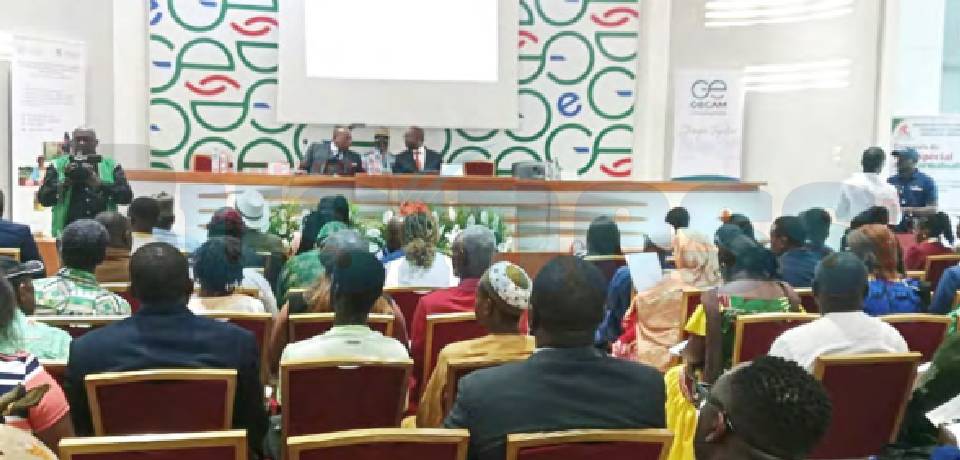
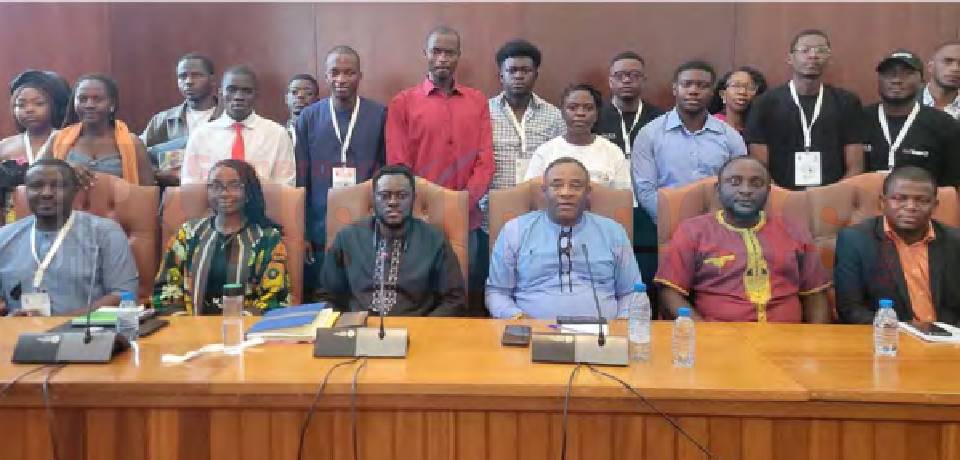
T he government and the Cameroon Business Organisation (GECAM) have agreed on a 2027- 2030 roadmap to facilitate the transition of informal businesses into the formal economy, with emphasis on incentives, im proved financing, and reduced administrative constraints. The agreement was reached during the National Consultation Day on the Transition of the Informal Economy and the Structuring of SMEs, held on November 4, at GECAM headquarters in Douala, under the chairmanship of the Minister of Small and Medium-Sized Enterprises, So cial Economy and Handicrafts, Achille Bassilekin III. A joint final communiqué signed by the Minister and GECAM President establishes a framework for implementing 20 recommendations resulting from three thematic workshops. These will be consolidated into a government-employers’ action matrix specifying responsible institutions, implementation partners, deadlines, and expected results. Regular consultations and monitoring mechanisms will also be introduced to track progress. The recommendations seek to simplify taxation and regulatory obligations, address multiple levies and adminis trative bottlenecks, improve access to credit and public procurement, and integrate SMEs and micro-enterprises into national and regional value chains. They equally promote local processing, import subs titution, market access, social protection, and post-formalisa tion support. Pilot projects in priority sectors are envisaged to encourage informal operators to join structured economic activities. The agreement reflects GE CAM’s call for a partnership- based approach rather than punitive measures. GECAM’s President, Célesti...
This article is for subscribers only
Already subscribed? Identify yourself >
Unlimited access to Cameroon Business Today Digital from 13,250 FCFA
I subscribe1 minute is enough to subscribe to Cameroon Business Today Digital!
- Your special Cameroon Business Today issue in digital version
- Inserts
- Exclusive calls for tenders
- Preview (access 24 hours before publication)
- Editions available on all media (smartphone, tablets, PC)







Commentaires