



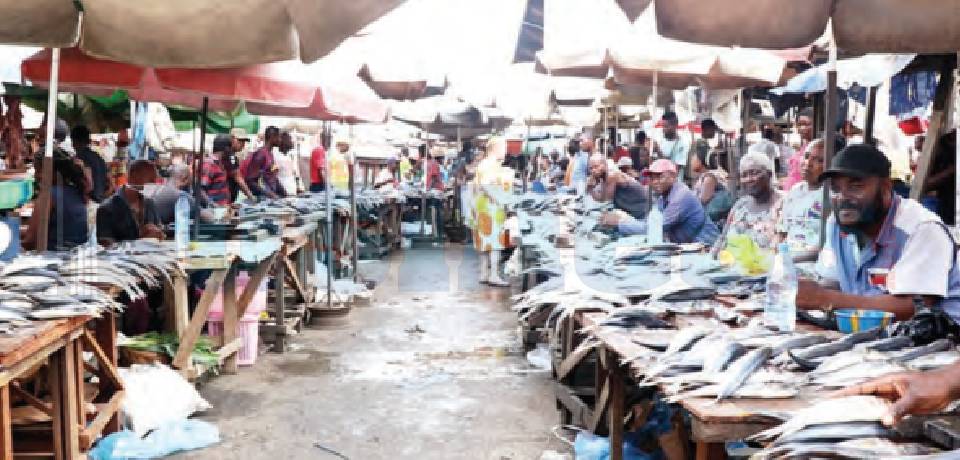
C ameroon’s efforts to reduce fish imports and strengthen its blue economy are recei ving fresh impetus through the NdemaLaSue Fish Festival, which is promoting local fish consumption while creating opportunities for businesses across the fisheries value chain. Despite having about four mil lion hectares of water bodies and a 400-kilometre coastline, Cameroon meets only 40 per cent of its estimated annual fish demand of 500,000 tonnes. The resulting deficit has increased dependence on imports, with frozen sea fish imports reaching approximately 267,000 tonnes in 2025, costing the country FCFA 230.9 billion. As it enters its fifth edition, NdemaLaSue is adopting a comprehensive approach to make locally produced fish more competitive, improve market access, and encourage consumers to choose home- grown products. Through its Poisson 237 specialties menu, the festival is encouraging hotels and restaurants to incorporate local fish into their dishes. Tastings, culinary competitions, and exhibitions also allow consumers to dis cover and appreciate locally processed fish. Beyond promoting consump tion, the initiative is engaging fishermen, processors, fish tra ders, artisans, and restaurateurs through training, exhibitions, and networking opportunities with buyers, financial institu tions, and training centres. More than 100 women fish artisans have already benefited from training, particularly in food hygiene and HACCP standards. To help operators improve productivity and product quality, NdemaLaSue is pro moting practical innovations, including Kli...
This article is for subscribers only
Already subscribed? Identify yourself >
Unlimited access to Cameroon Business Today Digital from 13,250 FCFA
I subscribe1 minute is enough to subscribe to Cameroon Business Today Digital!
- Your special Cameroon Business Today issue in digital version
- Inserts
- Exclusive calls for tenders
- Preview (access 24 hours before publication)
- Editions available on all media (smartphone, tablets, PC)







Commentaires