



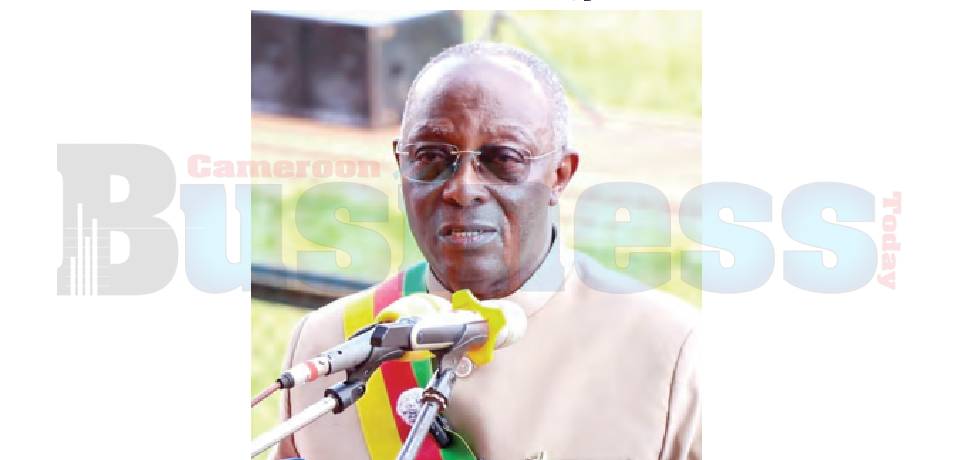
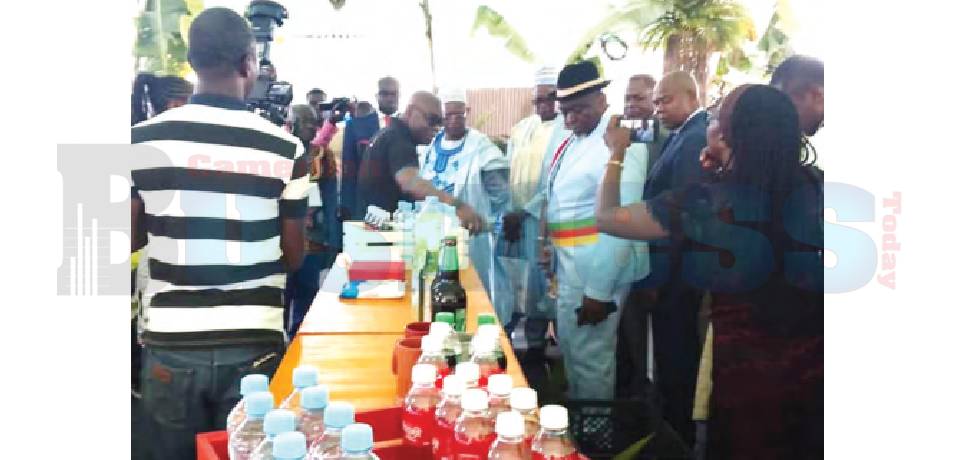
D espite contributing significantly to Ca meroon’s economy, the informal sector continues to drag its feet on formalisation, largely because the costs and obligations asso ciated with operating formally often outweigh the perceived benefits. Limited access to fi nance, excessive administrative procedures, complex taxation, unreliable electricity, inadequate training, and poor access to markets remain major obstacles preventing small businesses from making the transition. For some operators in the in formal sector, formalisation is seen less as an opportunity for growth than an additional financial and administrative burden. Business registration, tax payments, multiple levies, and regulatory requirements can be difficult to meet, parti cularly for micro-enterprises with irregular incomes and li mited capital. Many fear that joining the formal economy will expose them to taxes and operating costs they cannot afford, without necessarily guaranteeing better access to financing, government support, or larger markets. These concerns were highlighted on November 4, 2026, in Douala, during a consultation between the Cameroon Business Organi sation (GECAM) and the Ministry of Small and Medium-sized En terprises, Social Economy and Crafts (MINPMEESA), chaired by Minister Achille Bassilekin III. Participants examined the structural constraints discoura ging informal operators from formalising their activities. According to the National Insti tute of Statistics, the informal sector contri...
This article is for subscribers only
Already subscribed? Identify yourself >
Unlimited access to Cameroon Business Today Digital from 13,250 FCFA
I subscribe1 minute is enough to subscribe to Cameroon Business Today Digital!
- Your special Cameroon Business Today issue in digital version
- Inserts
- Exclusive calls for tenders
- Preview (access 24 hours before publication)
- Editions available on all media (smartphone, tablets, PC)







Commentaires